
Introduction
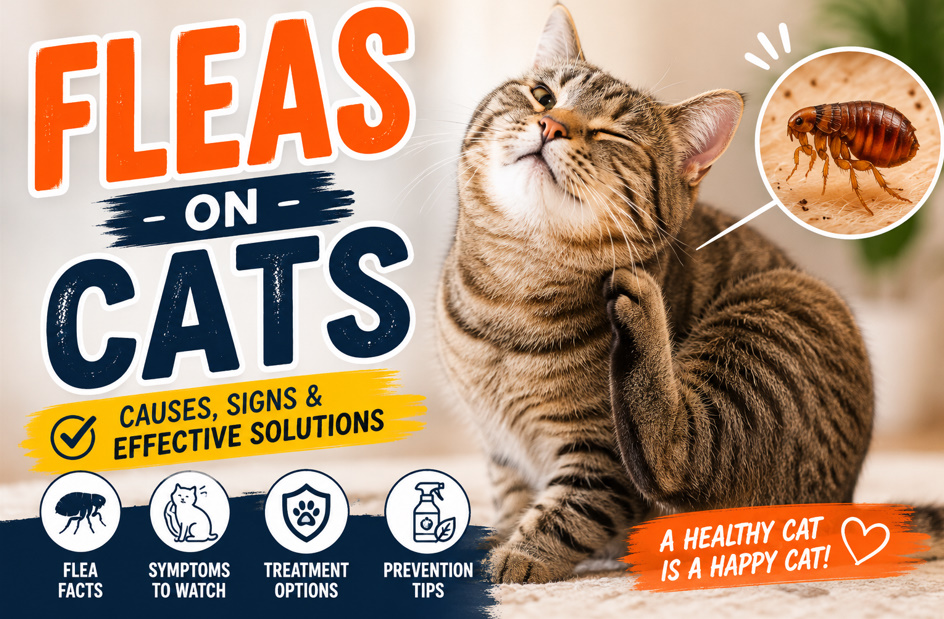
Fleas are one of the most common parasites affecting cats, causing itching, skin irritation, and discomfort. Learning how to get rid of fleas on cats quickly and safely is essential for your pet’s health. This guide shares expert veterinary advice, practical treatment methods, prevention tips, and real-life experiences to help keep your cat flea-free.
Learn how to get rid of fleas on cats with safe, effective treatment options and practical prevention tips. This guide explains common flea symptoms, suitable flea control methods, cleaning steps, and ways to reduce reinfestation. Discover vet-approved advice to help keep your cat comfortable, healthy, and protected from troublesome fleas.
Recognize the Signs of Fleas on Cats
Fleas on cats often cause constant scratching, biting, skin irritation, and hair loss. Early flea detection helps prevent severe infestations and keeps your cat healthy. As a veterinary doctor, I always recommend checking your cat’s skin weekly because prompt flea treatment protects both your pet and your home from recurring flea problems.
- 🐱 Excessive scratching is an early flea sign.
- 🔍 Look for tiny black flea dirt.
- 🩹 Check for red or irritated skin.
- 🪮 Use a flea comb every week.
- 🐾 Hair loss may indicate fleas.
- 👀 Inspect behind the ears carefully.
- 🛏️ Check your cat’s bedding too.
- 🚨 Early treatment prevents bigger infestations.
- ❤️ Healthy skin means a happier cat.
- 🩺 Never ignore constant itching.
Choose the Best Flea Treatment for Cats
Selecting the right flea treatment depends on your cat’s age, health, and lifestyle. Modern flea medications effectively kill adult fleas and prevent future infestations. As a veterinarian, I recommend using only products specifically formulated for cats because some dog flea treatments are extremely dangerous for felines.
- 💊 Use veterinarian-approved flea medicine.
- 🐱 Buy products made for cats.
- 🚫 Never use dog flea products.
- 📅 Follow the treatment schedule.
- 💧 Spot-on treatments are effective.
- 💉 Oral medications work quickly.
- 🪳 Kill fleas before they multiply.
- 📖 Read product instructions carefully.
- ❤️ Monitor your cat afterward.
- 🩺 Ask your veterinarian if unsure.
Remove Fleas from Your Home Environment
Treating your cat alone is not enough because flea eggs and larvae hide in carpets, furniture, bedding, and cracks. Eliminating fleas from your home breaks their life cycle. As a veterinarian, I always stress treating both the pet and the environment simultaneously.
- 🧹 Vacuum carpets every day.
- 🛏️ Wash bedding in hot water.
- 🧺 Clean blankets frequently.
- 🛋️ Vacuum sofas thoroughly.
- 🗑️ Empty the vacuum immediately.
- ☀️ Dry bedding in sunlight.
- 🚪 Clean hidden corners.
- 🧴 Use pet-safe flea sprays.
- 🐾 Treat all household pets.
- ✅ Repeat cleaning weekly.
Bathe and Groom Your Cat Properly
Regular grooming removes fleas, flea dirt, and loose hair while improving your cat’s skin health. Bathing with a veterinarian-approved flea shampoo may help reduce flea numbers. Gentle grooming also allows you to monitor your cat’s condition and identify new flea activity before it becomes severe.
- 🛁 Bathe only when necessary.
- 🧴 Use cat-safe flea shampoo.
- 🪮 Comb daily with a flea comb.
- 🐱 Be gentle while grooming.
- 💦 Rinse shampoo completely.
- 🧼 Keep grooming tools clean.
- ❤️ Reward calm behavior.
- 🔍 Check skin carefully.
- 🐾 Remove trapped fleas immediately.
- ✨ Healthy grooming supports healthy skin.
.
Prevent Future Flea Infestations
Prevention is always easier than eliminating a heavy flea infestation. Monthly flea prevention keeps your cat protected throughout the year. Regular veterinary checkups and home hygiene greatly reduce the risk of fleas returning and protect your entire household from recurring infestations.
- 📅 Use monthly flea prevention.
- 🐱 Schedule regular checkups.
- 🧹 Keep your home clean.
- 🛏️ Wash pet bedding often.
- 🚪 Limit exposure to stray animals.
- 🌿 Maintain your yard.
- 🐾 Check outdoor cats frequently.
- ❤️ Healthy cats resist parasites better.
- 🔍 Watch for early flea signs.
- 🩺 Stay consistent with prevention.
Natural Ways to Help Control Fleas
Natural flea management can support veterinary treatment but should never replace proven medications during serious infestations. Regular cleaning, flea combing, and maintaining a healthy environment reduce flea populations naturally. As a veterinarian, I recommend combining safe natural practices with evidence-based flea prevention.
- 🌿 Comb your cat daily.
- 🧹 Vacuum frequently.
- ☀️ Wash bedding regularly.
- 💧 Keep your home dry.
- 🐾 Inspect pets often.
- ❤️ Maintain good nutrition.
- 🚫 Avoid unsafe DIY chemicals.
- 🧴 Use only pet-safe products.
- 🪮 Remove fleas manually.
- 🩺 Consult your veterinarian first.
When to Visit a Veterinarian for Fleas
Some flea infestations become serious enough to require immediate veterinary attention. Severe itching, skin infections, anemia, weight loss, or flea allergy dermatitis should never be ignored. Early professional treatment helps your cat recover faster and prevents long-term health complications.
- 🚑 Visit early if symptoms worsen.
- 🩸 Pale gums need urgent care.
- 🐱 Severe scratching requires examination.
- 🦠 Skin infections need treatment.
- 💔 Weakness may signal anemia.
- 🌡️ Monitor unusual behavior.
- 📅 Keep follow-up appointments.
- ❤️ Follow medication instructions.
- 🩺 Never delay professional care.
- 🐾 Healthy cats recover faster.
Conclusion
Getting rid of fleas on cats requires treating your pet, cleaning your home, and following a consistent prevention plan. With proper veterinary-approved flea treatments, regular grooming, and good hygiene, you can protect your cat from future infestations. Always seek veterinary advice if flea problems become severe or your cat develops concerning symptoms.