
Introduction
Have you ever wondered, “Why does my cat snore?” Occasional cat snoring is often harmless, but loud or sudden snoring may indicate obesity, allergies, respiratory infections, or airway problems. In this guide, you’ll discover the common causes of feline snoring, warning signs to watch for, expert veterinary advice, and practical tips to help your cat enjoy healthier, quieter sleep.
Cat snoring can be harmless, especially during deep sleep, but it may sometimes signal nasal congestion, allergies, respiratory problems, or other health concerns. Understanding why your cat snores can help you recognize normal behavior versus warning signs. Learn about common causes, symptoms to watch for, helpful care tips, and when veterinary attention may be needed.
Normal Cat Snoring During Deep Sleep
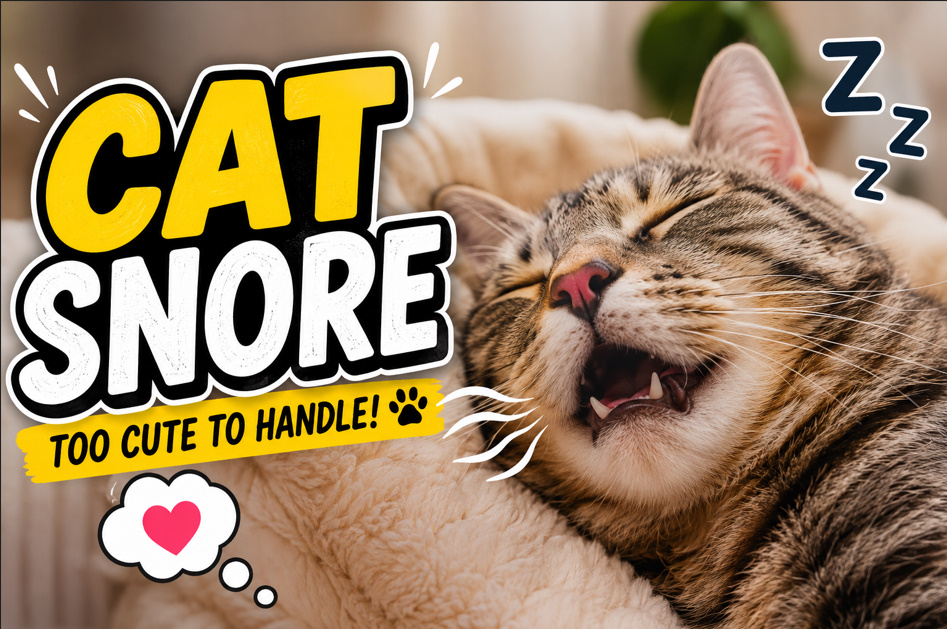
Many cats snore lightly while enjoying deep, relaxing sleep. Just like humans, relaxed throat muscles can create gentle vibrations that produce soft snoring sounds. Kittens, adult cats, and senior cats may all snore occasionally without any health concerns. Mild snoring is often completely normal when your feline friend sleeps comfortably.
- 🐱 Light snoring is often normal.
- 😴 Deep sleep relaxes throat muscles.
- ❤️ Healthy cats may snore occasionally.
- 🛏️ Comfortable sleeping positions matter.
- 💤 Senior cats snore more frequently.
- 🌙 Soft snoring is usually harmless.
- 👀 Monitor changes regularly.
- 🩺 Schedule routine wellness exams.
- 🍽️ Maintain a healthy lifestyle.
- 😊 Don’t panic over occasional snoring.
Obesity Can Cause Cat Snoring
Excess body fat around your cat’s neck and airway can narrow breathing passages during sleep. Overweight cats commonly develop louder snoring because airflow becomes partially restricted. Maintaining an ideal body weight improves breathing, reduces snoring, and supports long-term feline health while lowering the risk of additional medical conditions.
- ⚖️ Extra weight narrows airways.
- 🐾 Exercise helps breathing.
- 🍗 Avoid excessive treats.
- 🥣 Feed balanced nutrition.
- 💧 Fresh water supports health.
- 🎾 Encourage active play.
- 📏 Monitor body condition.
- ❤️ Healthy weight improves sleep.
- 😺 Weight loss reduces snoring.
- 🩺 Ask your veterinarian for guidance.
Respiratory Infections and Allergies
Upper respiratory infections, allergies, nasal congestion, and inflammation may cause your cat to snore more loudly than usual. Blocked nasal passages reduce smooth airflow during sleep. Sneezing, watery eyes, nasal discharge, coughing, or reduced appetite often accompany respiratory illnesses that require veterinary evaluation and treatment.
- 🤧 Allergies may block airways.
- 👃 Nasal congestion affects breathing.
- 😿 Sneezing needs attention.
- 💦 Watch for nasal discharge.
- 🌡️ Fever requires veterinary care.
- 🍽️ Poor appetite is concerning.
- 💨 Healthy breathing is important.
- 🩺 Early diagnosis improves recovery.
- 🏠 Keep living areas clean.
- ❤️ Follow prescribed treatments.
Flat-Faced Breeds Snore More Often
Brachycephalic cat breeds naturally have shorter noses and narrower airways. Persian, Himalayan, and Exotic Shorthair cats commonly produce snoring sounds because of their facial anatomy. Although mild snoring is expected, excessive breathing difficulty, noisy respiration, or open-mouth breathing should always receive veterinary attention immediately.
- 😺 Persian cats often snore.
- 🐱 Himalayans may snore.
- ❤️ Short noses affect airflow.
- 🌬️ Narrow airways increase noise.
- 👀 Watch breathing carefully.
- 🛏️ Comfortable sleep helps.
- ⚖️ Prevent obesity.
- 🩺 Regular health checks matter.
- 🚨 Seek help for breathing difficulty.
- 😊 Mild snoring is often expected.
Sleeping Position May Increase Snoring
Cats sometimes snore simply because of the way they sleep. Curling tightly or bending the neck can temporarily reduce airflow. Changing sleeping positions often stops the snoring naturally. Providing supportive bedding encourages comfortable sleeping and better nighttime breathing without causing unnecessary airway pressure.
- 🛏️ Sleeping posture matters.
- 😴 Neck position affects airflow.
- 🐾 Soft beds improve comfort.
- 🌙 Snoring may stop naturally.
- 👀 Observe sleeping habits.
- ❤️ Comfortable sleep is beneficial.
- 💤 Position changes help.
- 🧸 Supportive bedding is useful.
- 😊 Mild snoring isn’t always serious.
- 🩺 Monitor any unusual changes.
Dental Problems and Nasal Growths
Dental disease, nasal polyps, tumors, or foreign objects inside the nasal cavity may interfere with normal breathing. These conditions can gradually increase snoring severity. Bad breath, facial swelling, nosebleeds, difficulty eating, or persistent nasal discharge require immediate veterinary examination for accurate diagnosis.
- 🦷 Dental disease affects breathing.
- 👃 Nasal polyps block airflow.
- 🚨 Persistent snoring needs evaluation.
- 😿 Bad breath is significant.
- 🍽️ Eating problems need attention.
- 🩸 Nosebleeds require urgent care.
- 🩺 Early diagnosis improves outcomes.
- ❤️ Routine dental care helps.
- 👀 Monitor facial swelling.
- 😊 Prompt treatment supports recovery.
When Should You Worry About Cat Snoring?
Occasional soft snoring is generally harmless, but sudden loud snoring, breathing difficulty, open-mouth breathing, blue gums, excessive fatigue, coughing, or exercise intolerance require immediate veterinary assessment. Early diagnosis helps detect respiratory disease, heart disease, obesity-related complications, or airway obstruction before serious problems develop.
- 🚨 Sudden snoring needs attention.
- 💙 Blue gums are emergencies.
- 😮 Open-mouth breathing is abnormal.
- 🫁 Watch breathing closely.
- 😿 Fatigue may signal illness.
- ❤️ Early diagnosis saves lives.
- 🩺 Veterinary exams are essential.
- 📅 Schedule regular checkups.
- 👀 Monitor daily behavior.
- 🐱 Healthy cats breathe quietly.
Conclusion
Most cats snore occasionally, and in many cases, it is completely normal. However, persistent, loud, or sudden snoring accompanied by breathing difficulties or other symptoms should never be ignored. Regular veterinary checkups, maintaining a healthy weight, and monitoring your cat’s sleeping habits can help identify problems early and ensure your feline companion stays healthy, comfortable, and happy.