
Introduction
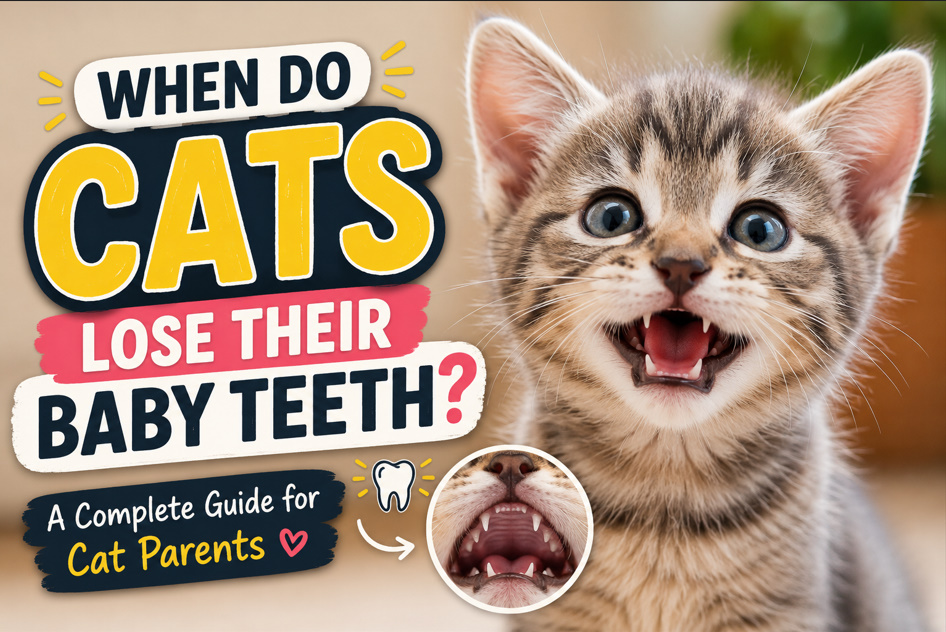
Wondering when do cats lose their baby teeth? Most kittens begin teething around three to four months and complete the process by six months. Understanding the kitten teething timeline helps you recognize normal dental development, care for sore gums, and maintain excellent feline oral health. This guide explains every stage with expert advice, practical tips, and real owner experiences.
Kittens usually begin losing their baby teeth around 3–4 months of age as permanent adult teeth start coming in. By about 6–7 months, most cats have their full set of adult teeth. During teething, kittens may chew more often or have mild gum sensitivity, making gentle dental care especially important for healthy teeth and gums.
When Do Kittens Start Losing Their Baby Teeth?
Most kittens begin losing their baby teeth around three to four months of age. Their deciduous teeth gradually fall out as permanent adult teeth emerge. This natural teething process continues until about six months old. Healthy dental development supports proper chewing, jaw growth, and lifelong oral health for your growing feline companion.
- 🦷 Baby teeth usually loosen at 3–4 months.
- 🐾 Adult teeth replace kitten teeth naturally.
- 😺 Mild chewing is completely normal.
- 🍖 Soft food may comfort sore gums.
- 🧸 Safe chew toys reduce discomfort.
- 👀 Check your kitten’s mouth weekly.
- 💧 Fresh water supports oral health.
- 🚫 Avoid pulling loose teeth yourself.
- 🪥 Start gentle dental care early.
- ❤️ Most kittens finish teething by six months.
How Many Baby Teeth Do Cats Have?
Kittens are born without teeth but develop 26 baby teeth. These primary teeth help them nurse, eat solid food, and explore their surroundings. Eventually, all baby teeth are replaced by 30 permanent adult teeth. Healthy tooth eruption ensures strong bites, proper alignment, and excellent feline dental health throughout adulthood.
- 🦷 Kittens have 26 baby teeth.
- 😺 Adult cats have 30 permanent teeth.
- 📅 Teeth erupt in stages.
- 🍗 Healthy nutrition supports tooth growth.
- 🧼 Dental hygiene prevents plaque buildup.
- 👀 Monitor tooth alignment regularly.
- 🧸 Offer kitten-safe chew toys.
- 🚫 Avoid very hard objects.
- 💦 Hydration benefits gum health.
- ❤️ Schedule routine veterinary dental checks.
Signs Your Kitten Is Losing Baby Teeth
During teething, kittens often chew more, drool slightly, and experience mild gum irritation. Some may eat slowly or prefer softer food temporarily. These common symptoms usually resolve naturally as permanent teeth erupt. Recognizing normal kitten teething signs helps owners distinguish healthy development from potential dental concerns requiring veterinary attention.
- 🦷 Increased chewing is expected.
- 😺 Mild drooling may occur.
- 🩸 Tiny spots of blood are sometimes normal.
- 🍖 Softer meals may help.
- 🧸 Provide rubber chew toys.
- 👄 Check for swollen gums.
- 👀 Watch for retained baby teeth.
- 🚫 Persistent pain needs veterinary care.
- 🪥 Continue gentle oral care.
- ❤️ Praise calm chewing behavior.
How Long Does the Kitten Teething Process Last?
The kitten teething process usually begins at three to four months and ends around six to seven months of age. During this period, baby teeth fall out while permanent teeth erupt. Most kittens experience only mild discomfort. Proper feline dental care and balanced nutrition support healthy tooth development and lifelong oral hygiene.
- 🦷 Teething lasts about 2–3 months.
- 📅 Most kittens finish by six months.
- 🧸 Offer safe chew toys daily.
- 🍗 Feed a balanced kitten diet.
- 💧 Keep fresh water available.
- 😺 Monitor chewing habits regularly.
- 👀 Inspect gums every week.
- 🚫 Do not ignore persistent bleeding.
- 🪥 Introduce tooth brushing gradually.
- ❤️ Reward calm behavior with praise.
What Happens If Baby Teeth Do Not Fall Out?
Sometimes kittens develop retained baby teeth, meaning primary teeth remain after permanent teeth erupt. This condition can cause overcrowding, plaque buildup, gum disease, bad breath, and bite alignment issues. Early veterinary dental treatment prevents long-term oral health complications and supports healthy permanent teeth.
- 🦷 Retained baby teeth need attention.
- 👀 Watch for double rows of teeth.
- 😷 Bad breath may develop.
- 🪥 Plaque can accumulate quickly.
- 🍖 Eating may become uncomfortable.
- 📅 Schedule dental checkups regularly.
- 🚫 Never pull retained teeth yourself.
- 💧 Healthy gums protect adult teeth.
- 😺 Early treatment prevents complications.
- ❤️ Follow your veterinarian’s recommendations.
How to Help Your Kitten During Teething
Supporting your kitten during teething is simple with appropriate chew toys, nutritious food, and regular oral care. Gentle gum massage, interactive play, and safe chewing outlets reduce discomfort. Creating a positive dental routine encourages lifelong feline oral health and minimizes future dental disease risks.
- 🧸 Choose kitten-safe chew toys.
- 🍗 Feed complete kitten nutrition.
- 🪥 Start brushing with cat toothpaste.
- 💧 Fresh water supports healthy gums.
- 🐾 Keep playtime fun and active.
- 👀 Check the mouth weekly.
- 🚫 Avoid human toothpaste completely.
- 😺 Reward calm dental handling.
- 🦷 Replace damaged chew toys promptly.
- ❤️ Visit your veterinarian routinely.
Do Kittens Feel Pain When Losing Baby Teeth?
Most kittens experience only mild discomfort while losing their baby teeth. Their gums may feel slightly sore as adult teeth erupt, but severe pain is uncommon. Safe chew toys, proper nutrition, and gentle care help relieve irritation. Understanding normal kitten teething symptoms helps owners provide comfort without unnecessary worry.
- 🦷 Mild gum soreness is normal.
- 😺 Temporary chewing increases during teething.
- 🧸 Soft chew toys soothe gums.
- 🍖 Wet food may be easier to eat.
- 💧 Keep clean water available.
- 👀 Check for swollen or bleeding gums.
- 🚫 Avoid giving hard bones.
- 🪥 Continue gentle dental care.
- 📅 Monitor tooth eruption weekly.
- ❤️ Contact your veterinarian if pain seems severe.
When Should You Visit a Veterinarian for Dental Problems?
Although kitten teething is natural, certain signs require professional evaluation. Persistent baby teeth, severe gum inflammation, broken teeth, foul breath, excessive bleeding, or difficulty eating should never be ignored. Early veterinary dental care protects permanent teeth, prevents periodontal disease, and supports lifelong feline oral health.
- 🦷 Persistent baby teeth need examination.
- 👃 Bad breath may signal infection.
- 🩸 Continuous bleeding is abnormal.
- 😿 Difficulty eating needs attention.
- 👄 Swollen gums should be evaluated.
- 🪥 Maintain regular dental hygiene.
- 📅 Schedule routine wellness exams.
- 🚫 Never delay treatment for obvious pain.
- 💧 Healthy hydration supports oral tissues.
- ❤️ Early diagnosis prevents future dental disease.
How to Care for Your Cat’s Permanent Teeth After Teething
Once your kitten has all 30 permanent teeth, maintaining excellent oral hygiene becomes essential. Regular tooth brushing, dental treats, professional cleanings, and a balanced feline diet help prevent plaque, tartar, gingivitis, and periodontal disease. Consistent dental care keeps your cat’s teeth healthy throughout adulthood.
- 🪥 Brush your cat’s teeth regularly.
- 🦷 Use cat-friendly toothpaste only.
- 🍖 Feed high-quality, balanced nutrition.
- 💧 Fresh water promotes oral health.
- 🦴 Offer approved dental treats.
- 👀 Check teeth for tartar monthly.
- 📅 Schedule yearly dental examinations.
- 🚫 Avoid sugary human foods.
- 😺 Reward good brushing behavior.
- ❤️ Healthy teeth support a longer, happier life.
Frequently Asked Questions About Kitten Baby Teeth
Many cat owners wonder whether finding tiny teeth on the floor is normal or if swallowed baby teeth are harmful. Fortunately, both situations are usually harmless. Understanding the kitten teething timeline, dental milestones, and oral care routine helps ensure healthy permanent teeth and confident pet parenting.
- ❓ Finding tiny baby teeth is normal.
- 😺 Swallowed baby teeth are usually harmless.
- 🦷 Adult teeth appear by six months.
- 👀 Monitor tooth alignment regularly.
- 🪥 Begin lifelong dental care early.
- 🍗 Good nutrition strengthens teeth.
- 💧 Keep fresh water available daily.
- 📅 Never skip annual dental checkups.
- 🚫 Contact your veterinarian if anything seems unusual.
- ❤️ Healthy teeth improve your cat’s overall wellbeing.
Conclusion
Losing baby teeth is a natural milestone in every kitten’s growth. With proper nutrition, safe chew toys, regular dental care, and routine veterinary checkups, your kitten can develop strong, healthy adult teeth. Knowing what to expect during teething allows you to provide the best care, prevent dental problems, and support your cat’s lifelong oral health and overall wellbeing.