
Introduction
If you’ve ever wondered how long are cats pregnant, you’re not alone. Understanding the feline pregnancy timeline helps you prepare for healthy kittens and a safe delivery. This guide explains pregnancy length, weekly development, nutrition, labor signs, veterinary care, and practical tips every cat owner should know to support their pregnant queen with confidence.
Discover how long cats are pregnant and what to expect during each stage of feline pregnancy. This week-by-week guide covers the average cat gestation period, early pregnancy signs, kitten development, important care tips, labor preparation, and common changes. Learn how to support your pregnant cat and prepare for healthy newborn kittens.
How Long Are Cats Pregnant?
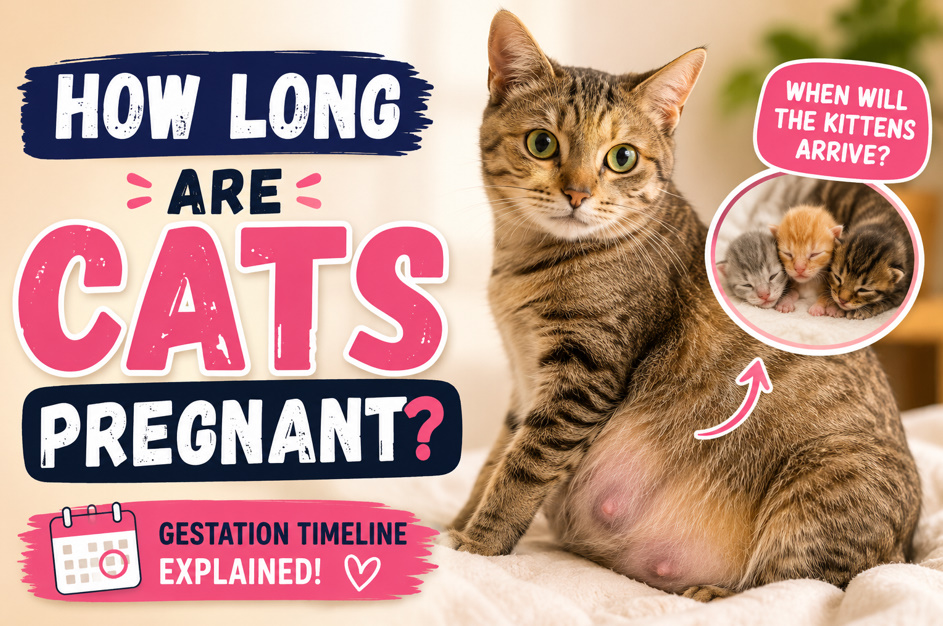
A cat pregnancy, also called the feline gestation period, usually lasts 63 to 65 days, although healthy queens may give birth anywhere between 58 and 72 days. Understanding pregnancy length helps owners prepare for kitten delivery, proper nutrition, veterinary care, and a comfortable nesting environment for both mother and newborn kittens.
When my own cat became pregnant for the first time, I marked every week on a calendar. Around day sixty-three, she started nesting and became quieter than usual. Thanks to preparing early and following veterinary advice, the birth was smooth, and all kittens arrived healthy and active.
- 🐱 Cat pregnancy lasts about 63–65 days.
- 📅 Some pregnancies last up to 72 days.
- ❤️ Healthy queens need balanced nutrition.
- 🏡 Prepare a quiet nesting area.
- 🍗 Feed high-quality kitten food.
- 💧 Fresh water is always essential.
- 🩺 Schedule regular veterinary checkups.
- 👶 Watch for labor signs after day 60.
- 😺 Keep stress away from the mother.
- ✅ Monitor weight and behavior weekly.
Early Signs Your Cat Is Pregnant
Recognizing early cat pregnancy symptoms helps owners provide proper care from the beginning. Enlarged pink nipples, increased appetite, morning sickness, weight gain, affectionate behavior, and sleeping more are common signs. Early diagnosis allows better nutrition, prenatal care, parasite prevention, and preparation for healthy kitten development.
I noticed my cat suddenly became much friendlier and preferred resting beside me all day. Within a few weeks, her appetite increased noticeably, and her nipples became pinker. Those changes encouraged me to visit the veterinarian, who confirmed the pregnancy and recommended a kitten-formulated diet.
- 🌸 Nipples become pink and enlarged.
- 🍽️ Appetite usually increases.
- 😴 Sleeping becomes more frequent.
- ❤️ Cats may become affectionate.
- ⚖️ Gradual weight gain begins.
- 🤢 Mild nausea may occur.
- 🩺 Visit your veterinarian early.
- 🐾 Avoid unnecessary medications.
- 🍖 Improve dietary quality.
- 🏠 Reduce stressful situations.
Week-by-Week Cat Pregnancy Timeline
The feline pregnancy timeline includes embryo development, fetal growth, weight gain, and nesting behavior before labor. During each stage, kittens grow rapidly while the mother requires additional calories, hydration, and veterinary monitoring. Understanding weekly changes helps owners recognize normal development and identify possible pregnancy complications early.
Watching my pregnant cat each week was fascinating. Around week five, her belly became noticeably rounder. During week eight, she searched for quiet hiding places, showing clear nesting instincts. Preparing a clean nesting box before labor reduced stress and helped the entire birthing process go smoothly.
- 📅 Week one begins fertilization.
- 🌱 Embryos develop rapidly.
- 🐱 Belly enlarges by week five.
- 🍗 Nutritional needs increase.
- 💧 Hydration becomes more important.
- 🏡 Nesting starts near delivery.
- 👶 Kittens grow quickly.
- ❤️ Mother becomes protective.
- 🩺 Weekly monitoring is beneficial.
- ✅ Prepare for labor before day sixty.
What Should You Feed a Pregnant Cat?
Proper pregnant cat nutrition plays a vital role in healthy kitten development and the mother’s overall well-being. During pregnancy, cats require more protein, healthy fats, vitamins, minerals, and calories. Premium kitten food is usually recommended because it provides balanced nutrition needed for fetal growth and successful lactation after birth.
When my cat reached the fifth week of pregnancy, I gradually switched her to premium kitten food. Her energy improved, her coat became shinier, and she maintained a healthy weight throughout pregnancy. Providing several small meals each day also helped her eat comfortably as her belly continued growing.
- 🍗 Feed high-quality kitten food.
- 🥩 Protein supports fetal growth.
- 💧 Fresh water is essential.
- 🍽️ Offer smaller frequent meals.
- 🧀 Calcium should stay balanced.
- 🥚 Healthy fats provide energy.
- 🚫 Avoid raw meat diets.
- 🩺 Discuss supplements with your vet.
- ⚖️ Monitor healthy weight gain.
- ❤️ Good nutrition supports healthy kittens.
Signs Your Cat Is Ready to Give Birth
As the cat labor process approaches, several noticeable signs appear. The pregnant queen may stop eating, become restless, hide in quiet places, groom herself frequently, and experience a drop in body temperature. Recognizing these labor symptoms helps owners prepare for kitten delivery while reducing unnecessary stress.
Before my cat delivered her litter, she refused breakfast and spent hours inside the nesting box. She meowed softly, paced around the room, and repeatedly rearranged her blankets. Within several hours, labor began naturally, and the first healthy kitten was born without complications.
- 🏡 Nesting behavior increases.
- 🍽️ Appetite often decreases.
- 🌡️ Body temperature may drop.
- 😺 Restlessness becomes noticeable.
- 🧼 Frequent grooming is common.
- 👀 Watch for contractions.
- 🧺 Keep the nesting box clean.
- 🩺 Know emergency veterinary numbers.
- ❤️ Stay calm during labor.
- 👶 Allow natural delivery whenever possible.
Common Pregnancy Problems and When to Visit the Veterinarian
Although most feline pregnancies progress normally, complications such as miscarriage, dystocia (difficult birth), infection, poor appetite, prolonged pregnancy, or abnormal vaginal discharge require immediate veterinary attention. Early diagnosis greatly improves outcomes for both the queen and her kittens while preventing life-threatening emergencies during pregnancy or delivery.
Fortunately, my cat experienced a healthy pregnancy, but I once cared for a rescued pregnant cat that suddenly stopped eating. A veterinary examination revealed dehydration, and prompt treatment helped save both the mother and her unborn kittens. That experience taught me never to ignore unusual pregnancy symptoms.
- 🩸 Heavy bleeding needs emergency care.
- 🤢 Persistent vomiting is abnormal.
- 🚨 Difficult labor requires immediate help.
- 🟢 Green discharge before birth is concerning.
- 🩺 Regular prenatal checkups are important.
- 💧 Prevent dehydration daily.
- 🍗 Monitor food intake carefully.
- ❤️ Observe your cat every day.
- 📞 Keep emergency clinic information ready.
- ✅ Early treatment saves lives.
Frequently Asked Questions About Cat Pregnancy
Cat owners often have questions about the feline gestation period, kitten development, labor, and postpartum care. Understanding these topics helps you provide excellent care throughout pregnancy. Learning what is normal and when to seek veterinary assistance ensures both the mother cat and her kittens remain healthy and safe.
After helping my own cat through two healthy pregnancies, I realized preparation makes a huge difference. Keeping a nesting box ready, feeding a balanced diet, and maintaining regular veterinary visits reduced stress and made the entire experience rewarding for both me and my ❓ Most pregnancies last 63–65 days.
- 🐱 First-time mothers need extra care.
- 🍗 Feed kitten food during pregnancy.
- 🏡 Prepare a nesting box early.
- 🩺 Regular veterinary visits are essential.
- 👶 Count kittens after delivery.
- 💧 Keep fresh water available.
- ❤️ Monitor the mother’s recovery.
- 🧼 Keep the nesting area clean.
- ✅ Seek help if anything seems unusual.
Conclusion
A healthy cat pregnancy usually lasts about 63 to 65 days, but every queen is unique. Proper nutrition, regular veterinary checkups, careful observation, and a calm nesting environment help ensure a successful pregnancy and healthy kittens. By recognizing pregnancy stages and labor signs early, you can confidently provide the best possible care for your beloved feline companion.