
Introduction
Keeping your cat’s nails properly trimmed is an essential part of feline grooming and overall health. Learning how to cut cat nails safely helps prevent scratches, broken claws, and painful overgrowth. This guide covers the best nail trimming techniques, essential grooming tools, veterinary advice, and practical owner experiences to make every nail trimming session easier and less stressful.
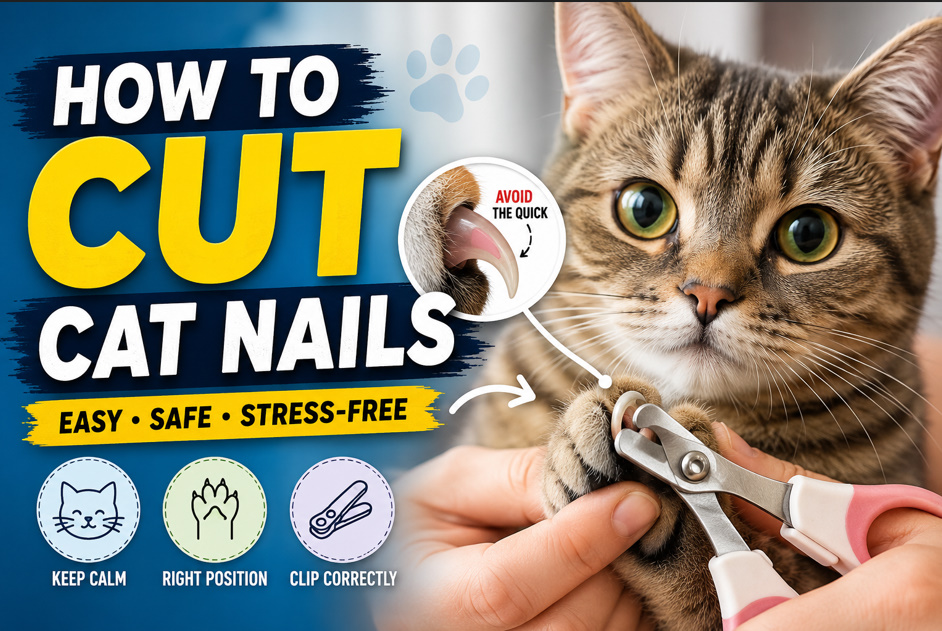
Learn how to cut cat nails safely with this easy step-by-step guide. Discover how to prepare your cat, choose the right nail clippers, identify the quick, and trim claws carefully. These simple cat nail care tips can help make trimming more comfortable, reduce stress, and keep your cat’s paws healthy.
Why Trimming Your Cat’s Nails Is Important
Regular cat nail trimming keeps your feline healthy, prevents painful overgrown claws, protects furniture, and reduces accidental scratches. Proper claw care improves mobility and comfort. As a cat owner, I noticed my cat became calmer and walked more comfortably after maintaining a consistent nail trimming routine every few weeks.
- ✂️ Trim nails every 2–4 weeks.
- 🐾 Healthy claws improve walking.
- 😺 Prevent painful overgrown nails.
- 🛋️ Protect furniture from scratches.
- 🩹 Reduce accidental injuries.
- ❤️ Reward your cat after trimming.
- 🐈 Use sharp cat nail clippers.
- 🌟 Stay calm during grooming.
- 🍖 Offer favorite treats afterward.
- 😊 Practice regularly for better results.
Essential Tools Needed to Cut Cat Nails Safely
Using the right cat grooming tools makes nail trimming easier and safer. Prepare quality cat nail clippers, styptic powder, treats, a towel, and adequate lighting before beginning. From my experience, organizing everything first reduced stress for both me and my cat during each grooming session.
- ✂️ Cat nail clippers.
- 💡 Bright lighting.
- 🩹 Styptic powder nearby.
- 🍗 Tasty cat treats.
- 🧺 Soft towel ready.
- 🪑 Comfortable chair.
- 🐾 Non-slip surface.
- 🧤 Gentle hands matter.
- 📦 Keep supplies organized.
- 😺 Stay patient throughout.
How to Prepare Your Cat Before Nail Trimming
Preparing your cat before trimming greatly reduces anxiety. Allow your cat to relax, gently handle each paw daily, and create positive associations using praise and treats. My shy rescue cat initially resisted, but daily paw handling made every nail trimming session much smoother after several weeks.
- 😺 Choose a quiet room.
- 🐈 Trim after playtime.
- 🍗 Offer tasty rewards.
- 👐 Handle paws gently.
- 🕒 Keep sessions short.
- ❤️ Speak softly always.
- 🛏️ Let your cat relax.
- 🎵 Reduce loud noises.
- 😊 Stay confident yourself.
- 🌟 End positively every time.
Step-by-Step Guide to Cut Cat Nails Safely
Learning how to cut cat nails correctly helps prevent injury and makes grooming easier. Hold your cat gently, extend one claw, identify the pink quick, and trim only the sharp transparent tip. From my experience, taking breaks between paws kept my cat relaxed and cooperative throughout every nail trimming session.
- ✂️ Hold one paw gently.
- 👀 Find the pink quick.
- 🐈 Trim only clear tips.
- ❤️ Cut small amounts.
- 🖐️ Keep a firm but gentle grip.
- 🍖 Reward after each paw.
- 😺 Stay calm throughout.
- ⏸️ Pause if your cat struggles.
- 💡 Work in bright light.
- 🌟 Praise your cat often.
What to Do If You Accidentally Cut the Quick
Even experienced cat owners may accidentally trim the quick. Stay calm, apply styptic powder or cornstarch to stop minor bleeding, and comfort your cat immediately. I once clipped a nail too short, but remaining calm and rewarding my cat afterward helped rebuild trust during future grooming sessions.
- 🩹 Apply styptic powder.
- 🌽 Cornstarch may help.
- ❤️ Stay calm always.
- 🐈 Comfort your cat.
- 🧻 Use gentle pressure.
- 🚫 Never panic.
- 🍖 Give treats afterward.
- 👀 Monitor the nail.
- 🧼 Keep the paw clean.
- 📞 Contact your vet if bleeding continues.
How Often Should You Trim Your Cat’s Nails?
The ideal cat nail trimming schedule depends on age, activity level, and lifestyle. Indoor cats generally need more frequent trims than outdoor cats. From my experience, checking my cat’s claws every week helped me determine the perfect grooming routine without allowing nails to become excessively long.
- 📆 Check nails weekly.
- ✂️ Trim every 2–4 weeks.
- 🐱 Indoor cats need frequent care.
- 🌳 Outdoor cats wear nails naturally.
- 👵 Senior cats require extra attention.
- 🐾 Watch for curling nails.
- 🛋️ Scratching posts help naturally.
- 👀 Monitor claw growth.
- 🍖 Reward after every session.
- ❤️ Build a consistent routine.
Common Mistakes to Avoid When Cutting Cat Nails
Many cat owners make simple mistakes that increase stress during nail trimming. Avoid cutting too much nail, rushing the process, or using unsuitable clippers. From my experience, slowing down and trimming only a few nails at a time made every grooming session easier and safer for both my cat and me.
- ✂️ Never cut the pink quick.
- 😿 Do not force a frightened cat.
- 🕒 Avoid long grooming sessions.
- 🔪 Don’t use dull nail clippers.
- 💡 Never trim in poor lighting.
- 🚫 Don’t skip rewards.
- 🐾 Avoid pulling the paw roughly.
- ❤️ Stay calm and patient.
- 🧺 Don’t forget a comfortable surface.
- 👨⚕️ Ask your veterinarian for help if needed.
Conclusion
Regular cat nail trimming promotes healthy paws, protects your home, and keeps your feline comfortable throughout life. By following safe trimming techniques, using proper grooming tools, and rewarding positive behavior, you can make nail care a stress-free routine. Patience, consistency, and veterinary guidance are the keys to successful cat claw maintenance and long-term feline wellness.