
Introduction
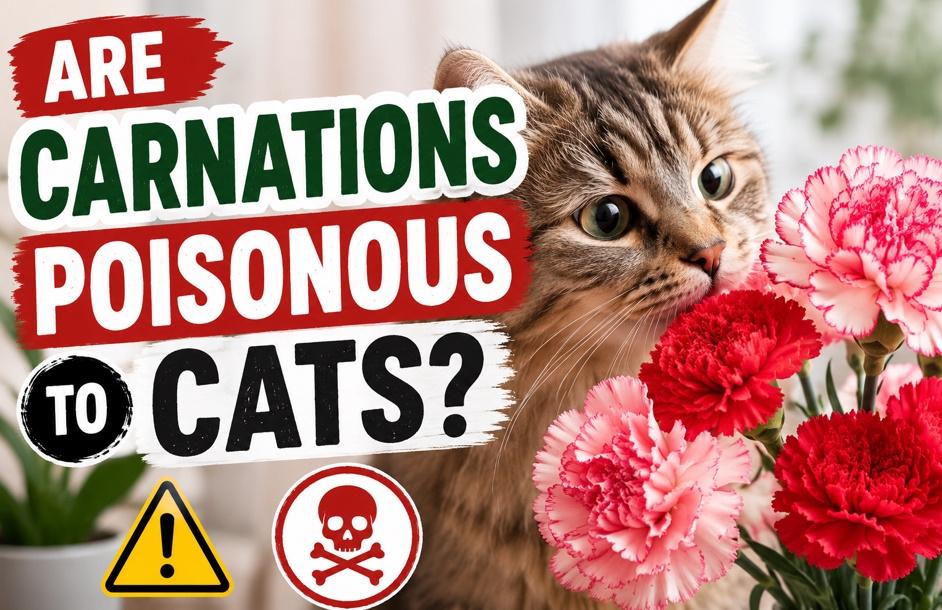
If you are wondering, are carnations poisonous to cats, the answer is yes, but they are considered only mildly toxic. Even small amounts can cause digestive upset and discomfort in curious felines. This guide explains carnation toxicity, poisoning symptoms, treatment, prevention tips, and safer flower alternatives while sharing veterinary advice and real-life experiences to help protect your beloved cat.
Carnations may cause stomach upset and other symptoms if cats chew or ingest them. This guide explains the potential risks, common signs to watch for, and what cat owners should do if exposure occurs. Learn practical safety tips, treatment considerations, and ways to keep carnations and other plants safely away from curious cats.
Are Carnations Toxic to Cats?
Carnations are mildly poisonous to cats and may cause vomiting, drooling, diarrhea, or skin irritation if chewed. The toxic compounds are not usually life-threatening, but every cat reacts differently. Understanding flower toxicity helps pet owners create a safer indoor environment while protecting feline health and preventing accidental poisoning.
- 🌸 Carnations are mildly toxic to cats.
- 🐱 Most symptoms are digestive.
- 🤢 Vomiting may occur.
- 💧 Drooling is common.
- 🚽 Diarrhea can develop.
- 🌿 Keep flowers out of reach.
- 🏡 Choose pet-safe plants.
- ❤️ Monitor your cat carefully.
- 👨⚕️ Veterinary Advice: Contact your veterinarian if symptoms appear after chewing carnations.
- 🐈 My curious cat once nibbled a carnation bouquet and experienced mild vomiting, but recovered quickly after veterinary guidance.
Why Are Carnations Harmful to Cats?
Carnations contain naturally occurring substances that may irritate a cat’s stomach and skin after ingestion or contact. Curious cats often chew flowers while exploring. Knowing which household plants are toxic improves pet safety, reduces emergency vet visits, and supports responsible cat ownership through preventive care and environmental awareness.
- 🌼 Flower sap may irritate cats.
- 🐾 Curious cats chew plants.
- 🌱 Indoor bouquets pose risks.
- 🚫 Remove damaged flowers.
- 🏠 Pet-proof your home.
- 🧹 Clean fallen petals.
- 💦 Offer fresh water.
- 📚 Learn toxic plant lists.
- 👨⚕️ Veterinary Advice: Prevent access instead of waiting for symptoms.
- 🐱 My cat ignored most flowers but always investigated fresh carnations.
Signs of Carnation Poisoning in Cats
Symptoms usually appear within a few hours after ingestion. Cats may vomit, drool excessively, lose appetite, or experience diarrhea. Some develop mild skin irritation after touching the plant. Early recognition of poisoning symptoms helps ensure prompt veterinary treatment and faster recovery while minimizing unnecessary discomfort for your feline companion.
- 🤮 Vomiting is common.
- 💦 Excessive drooling may occur.
- 🍽️ Appetite may decrease.
- 🚽 Diarrhea can develop.
- 😿 Lethargy is possible.
- 🩹 Skin irritation may appear.
- 👀 Watch unusual behavior.
- 📅 Monitor symptoms closely.
- 👨⚕️ Veterinary Advice: Visit your veterinarian if symptoms persist beyond several hours.
- 🐈 I noticed my cat became unusually quiet after chewing a flower and immediately contacted my vet.
What Should You Do If Your Cat Eats Carnations?
Stay calm if your cat chews a carnation. Remove any remaining plant material, provide fresh water, and observe your pet closely. Contact your veterinarian for advice, especially if symptoms worsen. Quick action often prevents complications and ensures your cat receives appropriate care when necessary.
- 🌸 Remove flower pieces.
- 💧 Offer clean water.
- 📞 Call your veterinarian.
- 👀 Watch for vomiting.
- 🚫 Don’t force vomiting.
- 📝 Note symptom timing.
- 🐾 Keep your cat indoors.
- ❤️ Stay calm.
- 👨⚕️ Veterinary Advice: Bring a sample of the flower if visiting the clinic.
- 🐱 I kept the flower packaging, which helped identify the plant quickly.
Safe Flowers That Cats Can Enjoy
Many beautiful flowers are non-toxic to cats and make excellent alternatives to carnations. Choosing pet-friendly plants reduces poisoning risks while maintaining attractive indoor décor. Cat-safe flowers provide peace of mind for owners and create a healthier environment where curious pets can safely explore.
- 🌻 Choose pet-safe flowers.
- 🌹 Research before buying.
- 🌼 Avoid unknown plants.
- 🌺 Decorate responsibly.
- 🏡 Create a safe home.
- 🌿 Inspect new bouquets.
- 🐱 Prioritize feline safety.
- 💚 Prevention is best.
- 👨⚕️ Veterinary Advice: Always verify plant safety before bringing flowers home.
- 🐈 After switching to pet-safe flowers, I worried much less about my curious cat.
How to Prevent Flower Poisoning in Cats
Preventing exposure is easier than treating poisoning. Place bouquets beyond your cat’s reach, discourage chewing with enrichment toys, and provide safe cat grass. Regularly checking your home for toxic plants supports long-term feline wellness and reduces emergency veterinary visits caused by accidental plant ingestion.
- 🚪 Keep flowers inaccessible.
- 🪴 Remove toxic plants.
- 🎾 Provide enrichment toys.
- 🌾 Offer cat grass.
- 🐱 Supervise curious kittens.
- 🧺 Clean fallen leaves.
- 🏠 Inspect your home.
- ❤️ Prevention saves lives.
- 👨⚕️ Veterinary Advice: Environmental management is the best protection against plant toxicity.
- 🐈 Interactive toys greatly reduced my cat’s interest in houseplants.
Final Thoughts on Carnations and Cat Safety
Carnations are only mildly toxic, but they should never be considered safe for cats. Responsible pet owners reduce risks through prevention, observation, and prompt veterinary care when needed. Understanding poisonous plants, feline health, and pet-safe gardening helps create a secure home for every curious cat.
- 🌸 Carnations aren’t cat-safe.
- 🐱 Prevention is essential.
- ❤️ Monitor your pet.
- 📞 Seek veterinary advice.
- 🌿 Choose safer flowers.
- 🏡 Protect indoor cats.
- 📚 Learn toxic plants.
- 😺 Healthy cats are happy cats.
- 👨⚕️ Veterinary Advice: Annual wellness exams help identify overall health concerns early.
- 🐈 My experience taught me that prevention is far easier than treatment.
Conclusion
Carnations may look beautiful, but they can pose health risks to cats if chewed or eaten. Understanding toxic plants, recognizing poisoning symptoms, and acting quickly can keep your feline companion safe. As a responsible pet owner, always choose pet-safe flowers, follow veterinary advice, and create a secure home where your curious cat can explore without unnecessary danger.