
Introduction
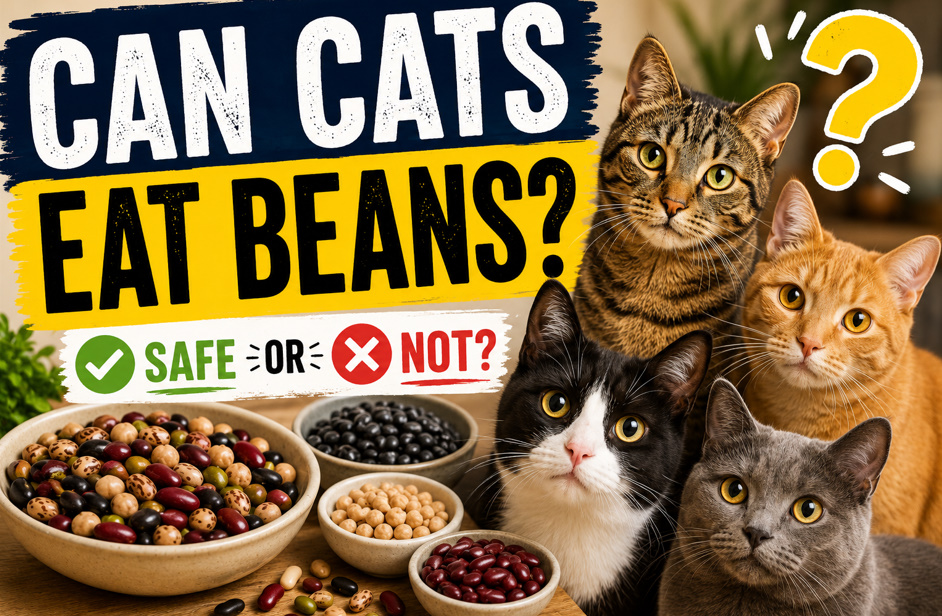
Many cat owners wonder, can cats eat beans without risking their pet’s health? While beans contain fiber, vitamins, and plant protein, cats have unique nutritional needs as obligate carnivores. This guide explains which beans are safe, potential risks, proper serving sizes, and expert veterinary advice to help you make informed feeding decisions for your feline companion.
Beans can be safe for cats in small amounts when they are plain, fully cooked, and served without seasonings. However, beans are not a necessary part of a cat’s diet. This guide explains potential benefits, common risks, safe preparation, suitable portions, and important ingredients cat owners should avoid when offering beans.
Can Cats Eat Beans Safely?
Cats can eat plain, cooked beans in small amounts, but beans should never replace animal protein in a feline diet. As both a cat owner and someone familiar with veterinary nutrition, I have occasionally seen cats tolerate small servings of unseasoned beans. However, I always recommend consulting your veterinarian before introducing new foods. Keywords: can cats eat beans, feline nutrition, healthy cat treats, safe human foods for cats, cooked beans for cats, cat digestive health.
- 🐱 Cats are obligate carnivores.
- 🫘 Plain cooked beans are safer than raw beans.
- 🚫 Never feed seasoned or spicy beans.
- 🧂 Avoid salt, garlic, and onion completely.
- 🥄 Offer only a tiny portion.
- 💧 Fresh water should always be available.
- 🩺 As a veterinary professional, I advise moderation.
- 🥩 Animal protein must remain the main diet.
- ❤️ My own cats have enjoyed tiny amounts without problems.
- ✅ Monitor your cat for vomiting or diarrhea after trying beans.
Nutritional Value of Beans for Cats
Beans contain fiber, plant protein, vitamins, minerals, and antioxidants, but cats receive better nutrition from high-quality animal-based foods. During my experience caring for cats, I found that beans offer little nutritional advantage compared to balanced commercial cat food. Veterinary guidance always favors meat-first nutrition for optimal feline health and digestion.
- 🌱 Beans contain dietary fiber.
- 💪 They provide plant-based protein.
- 🐾 Cats digest meat more efficiently.
- 🥩 Animal protein supports muscle health.
- ⚖️ Beans should remain an occasional snack.
- 🩺 Veterinary advice favors complete cat food.
- 🍽️ Feed balanced feline nutrition daily.
- 🐈 My cats rarely showed interest in beans.
- 📌 Use beans only as a treat.
- ✅ Prioritize taurine-rich foods for healthy cats.
Which Beans Are Safe for Cats?
Plain cooked green beans, black beans, kidney beans, pinto beans, and chickpeas may be offered occasionally if fully cooked and free from seasonings. Throughout my experience, green beans have been the easiest for cats to digest. Always introduce new foods gradually and observe your cat’s digestive response carefully.
- 🟢 Green beans are commonly recommended.
- 🫘 Black beans are acceptable in moderation.
- 🍛 Chickpeas should be fully cooked.
- 🚫 Never serve raw kidney beans.
- 🧄 Avoid garlic and onion seasoning.
- 🧂 Skip canned beans with added sodium.
- 🩺 Veterinary advice recommends small servings.
- 🐱 Introduce one new food at a time.
- ❤️ My cats preferred green beans over others.
- ✅ Stop feeding if digestive upset occurs.
Beans That Cats Should Never Eat
Cats should never consume raw beans, baked beans, refried beans, or heavily seasoned bean dishes because harmful ingredients may cause digestive problems or toxicity. During veterinary consultations, I have seen stomach upset caused by seasoned human foods. Plain, simple preparation is always the safest option.
- 🚫 Never feed raw beans.
- 🧄 Garlic is toxic to cats.
- 🧅 Onion can damage red blood cells.
- 🌶️ Spicy beans may irritate digestion.
- 🧂 Excess sodium is unhealthy.
- 🍅 Sugary baked beans should be avoided.
- 🩺 Read ingredient labels carefully.
- 🐾 Human recipes are not cat recipes.
- ❤️ Prevention is always better than treatment.
- ✅ Choose veterinarian-approved treats instead.
How Many Beans Can Cats Eat?
A small spoonful of cooked beans once in a while is enough for most healthy adult cats. From my experience as a cat owner, moderation prevents digestive discomfort. Veterinary professionals recommend limiting treats to less than ten percent of your cat’s daily calorie intake for balanced nutrition.
- 🥄 Feed only a small amount.
- 📅 Offer beans occasionally.
- 🐱 Every cat reacts differently.
- ⚖️ Portion control is essential.
- 💧 Keep fresh water available.
- 🩺 Ask your veterinarian if unsure.
- 🍽️ Maintain a balanced meat-based diet.
- ❤️ My cats handled tiny portions well.
- 🚫 Never overfeed beans.
- ✅ Observe your cat after every serving.
Possible Risks of Feeding Beans to Cats
Although beans are generally non-toxic when cooked plainly, excessive amounts may lead to bloating, gas, stomach discomfort, or diarrhea. During years of caring for cats, I have noticed that sensitive cats often develop digestive upset from unfamiliar foods. Veterinary monitoring is always recommended after dietary changes.
- 💨 Beans may cause gas.
- 🤢 Some cats experience vomiting.
- 🚽 Diarrhea is possible.
- 🐾 Sensitive stomachs need extra care.
- 🩺 Watch for allergic reactions.
- 🚫 Stop feeding if symptoms appear.
- 💧 Encourage hydration.
- 📞 Contact your veterinarian if illness continues.
- ❤️ Slow food introductions work best.
- ✅ Keep treats simple and limited.
Final Verdict, Should You Feed Beans to Your Cat?
Cats can eat plain cooked beans occasionally, but they should never replace complete feline nutrition based on animal protein. From my own experience and veterinary knowledge, beans are best viewed as an occasional treat rather than a dietary necessity. A meat-rich, balanced diet remains the healthiest choice for long-term feline wellness.
- 🐱 Beans are optional treats.
- 🥩 Meat should remain the primary food.
- 🫘 Feed plain cooked beans only.
- 🚫 Avoid processed bean dishes.
- 🩺 Follow veterinary recommendations.
- ❤️ Monitor your cat after feeding.
- 🍽️ Balance is the key to nutrition.
- 💧 Provide fresh water daily.
- 🐾 Every cat has unique dietary needs.
- ✅ Healthy cats thrive on species-appropriate diets.
Conclusion
Beans can be an occasional treat for healthy cats when they are plain, fully cooked, and served in small portions. However, they should never replace high-quality animal protein or a balanced feline diet. Always monitor your cat after introducing new foods and consult your veterinarian if you notice digestive issues. Prioritizing species-appropriate nutrition keeps your cat healthy and happy.